Japandi Interiors: Where Japanese Calm Meets Scandinavian Warmth

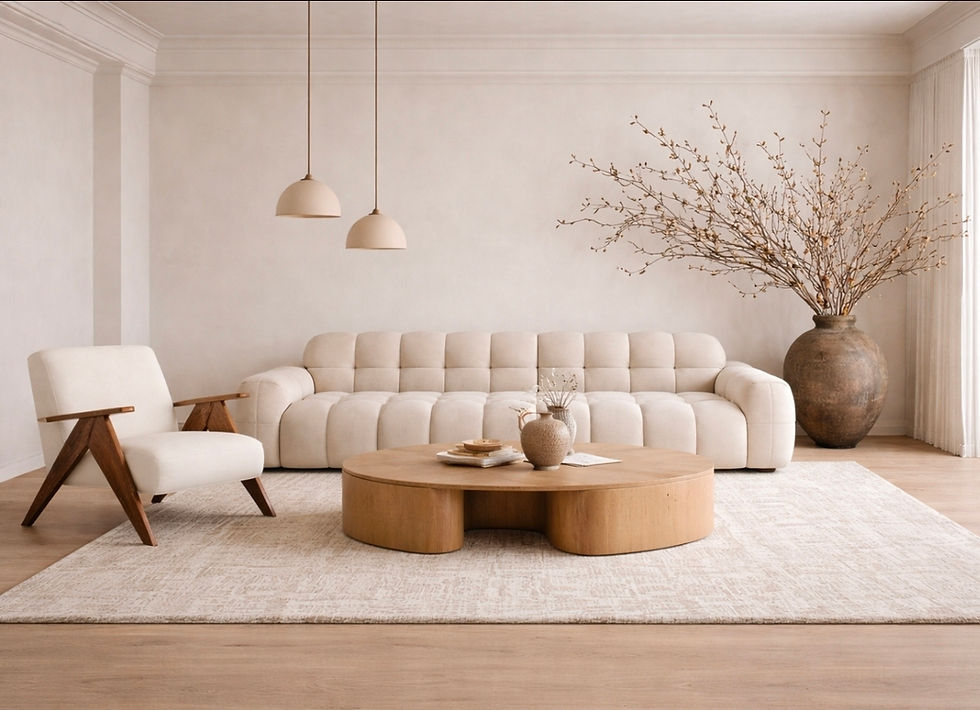
Interior trends come and go, but every so often a design movement appears that feels timeless rather than fashionable. Japandi is one of those styles. It has quietly become one of the most influential interior design aesthetics in the world, admired by designers and homeowners alike for its calming atmosphere, natural materials, and effortless elegance.
Japandi is a fusion of Japanese minimalism and Scandinavian functionality, bringing together two cultures that value simplicity, craftsmanship, and a deep connection with nature. The result is a style that feels both sophisticated and peaceful — a home that breathes rather than overwhelms.
For interior designers, Japandi offers something particularly special: it proves that less can truly be more, without sacrificing warmth or personality.
The Philosophy Behind Japandi
Japandi is not simply about colour palettes or furniture choices. It is rooted in two powerful design philosophies.
The first is the Japanese concept of wabi-sabi, which celebrates imperfection, authenticity, and natural beauty. In a Japandi interior, materials are allowed to show their natural character — wood grains, textured ceramics, handmade pieces, and subtle irregularities all contribute to the aesthetic.
The second influence comes from the Scandinavian concept of hygge, which focuses on comfort, warmth, and creating environments that support wellbeing and relaxation.
When these philosophies merge, they create interiors that feel calm, lived-in, and deeply intentional. Nothing is unnecessary, yet nothing feels cold.
The Colour Palette: Calm, Neutral and Grounded
One of the first things people notice about Japandi interiors is the soothing colour palette.
Instead of stark whites or overly dark tones, Japandi relies on earth-inspired neutrals that feel natural and grounding. These typically include:
• Warm beiges
• Soft taupes
• Clay tones
• Muted greys
• Charcoal accents
• Natural wood tones
The palette is intentionally restrained. Rather than using bold colours to create interest, Japandi relies on texture, light, and material contrast.
For example, a pale plaster wall might sit beside a dark stained oak cabinet, while linen fabrics soften the space with tactile warmth.

Furniture: Low, Simple, and Purposeful
Furniture in Japandi interiors follows a very clear principle: every piece must earn its place.
Lines are simple and architectural, avoiding excessive decoration. Pieces often sit lower to the ground, reflecting traditional Japanese interiors where floor-level living is common.
You will typically see:
• Solid wood dining tables
• Low-profile sofas with structured silhouettes
• Platform beds
• Minimalist shelving
• Sculptural statement chairs
Quality is far more important than quantity. A Japandi room may contain fewer pieces than a typical interior, but each item feels deliberate and beautifully made.

Materials: The Soul of Japandi Design
Materials play a defining role in Japandi interiors. Synthetic finishes are avoided in favour of natural textures that age gracefully over time.
Common Japandi materials include:
• Oak, ash, or walnut wood
• Linen and cotton textiles
• Stone and travertine
• Handmade ceramics
• Clay and plaster finishes
• Paper lighting (inspired by Japanese lanterns)
These materials help create an atmosphere that feels authentic and grounded. Rather than polished perfection, Japandi embraces subtle irregularities and tactile surfaces.
This approach is what makes Japandi interiors feel alive rather than staged.

Linen Lamp 
Large Brown Ceramic Vase 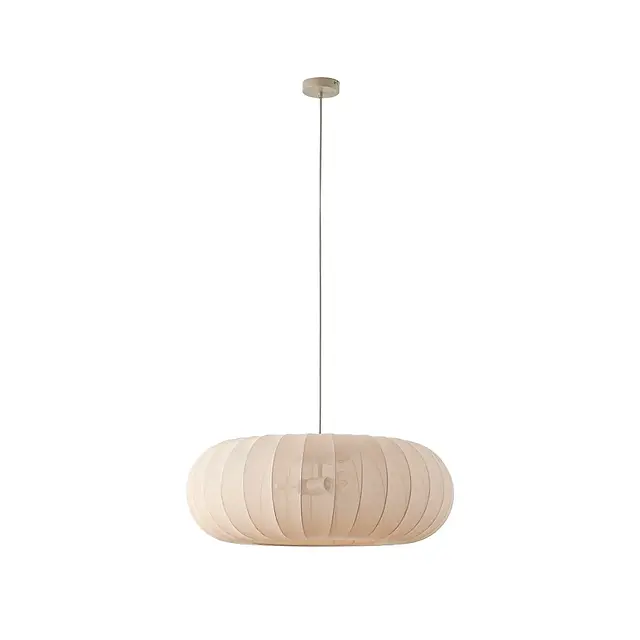
Japandi Inspired Fabric Pendant Light
The Art of Space and Simplicity
In many homes, space is treated as something to fill. Japandi takes the opposite approach.
Empty space is seen as part of the design itself. It allows the eye to rest and highlights the pieces that remain.
Styling in Japandi interiors is therefore very restrained. Instead of crowded shelves or decorative clutter, you might see:
• A single ceramic vase
• A sculptural lamp
• A branch or piece of dried foliage
• One carefully chosen artwork
This minimalist styling creates a sense of quiet luxury — a room that feels calm rather than chaotic.
Why Japandi Has Become So Popular
Japandi has grown rapidly in popularity because it reflects what many people are craving in their homes today: peace, balance, and simplicity.
Modern life is busy and overstimulating. Japandi interiors provide the opposite — spaces that encourage slower living and mindful design.
For interior designers, Japandi also offers a highly versatile foundation. It works beautifully in:
• Modern apartments
• Luxury homes
• Scandinavian-inspired spaces
• Architectural interiors
• Minimalist renovations
Its combination of warmth and minimalism makes it both visually striking and deeply comfortable.
Bringing Japandi Into Your Own Home
You do not need to completely redesign a house to introduce Japandi elements. Often the transformation comes from editing and refining what is already there.
Start by focusing on:
• Decluttering surfaces
• Introducing natural materials
• Simplifying colour palettes
• Choosing fewer, better furniture pieces
• Adding texture through linen, ceramics, and wood
The goal is not perfection. It is creating a home that feels calm, thoughtful, and beautifully simple.
Why Japandi Interiors Are Here to Stay
Japandi is more than a design trend — it is a philosophy of living.
By combining the quiet elegance of Japanese interiors with the warmth of Scandinavian design, Japandi creates homes that feel peaceful, grounded, and timeless.
In a world that often feels fast and overwhelming, these spaces remind us that beauty can be found in simplicity, craftsmanship, and the natural materials around us.
And sometimes the most powerful design choice is simply knowing what to leave out.
Comments